



If you have ever looked closely at your skin and wondered, “How can I reduce my pores?”, you are not alone.
Large or enlarged pores are one of the most common cosmetic skin concerns, particularly around the nose, cheeks, forehead and chin. They can become more noticeable when the skin is oily, congested, dehydrated, exposed to the sun, or gradually loses elasticity with age.
But there is an important distinction to understand:
You generally cannot permanently “close” or erase your pores. However, you may be able to make them look less visible by addressing the factors that contribute to their appearance.
At DR HAACH, we believe understanding why pores look enlarged is an important first step before deciding what skincare or aesthetic options may be appropriate.
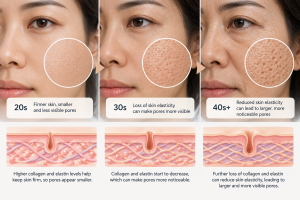
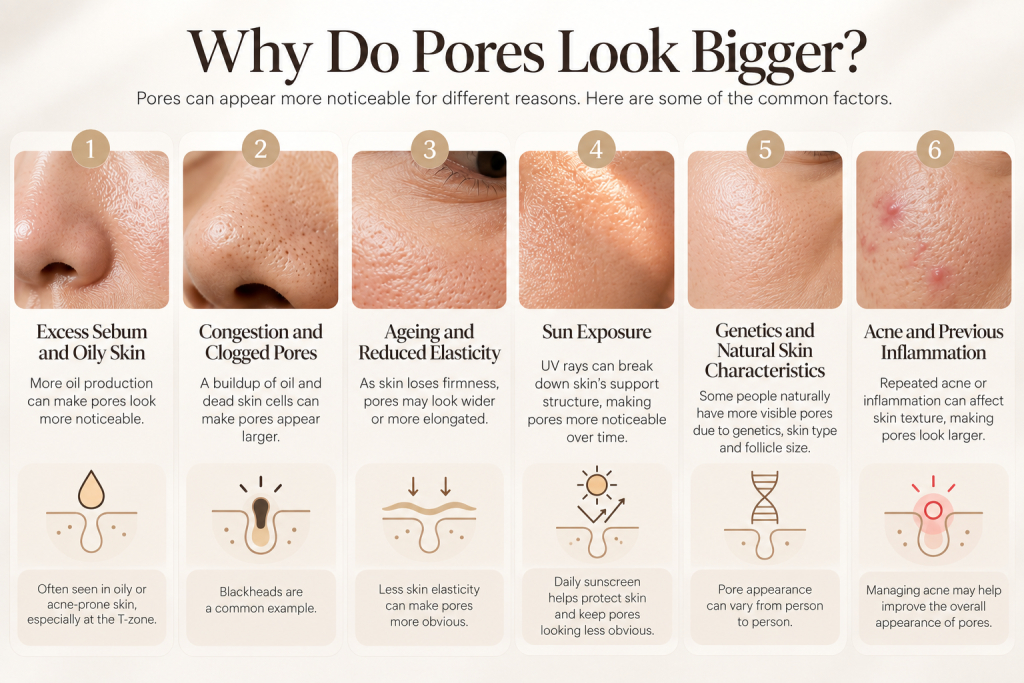
Research has identified several factors associated with visible facial pores, including sebum production, reduced skin elasticity, hair follicle size, ageing, acne and skincare habits. Because different factors may contribute in different people, there is no single approach that works for everyone.
In this article, we look at what you can realistically do if you want to know how to reduce pores, what skincare ingredients may help, and when professional treatment may be considered.
What Are Pores?
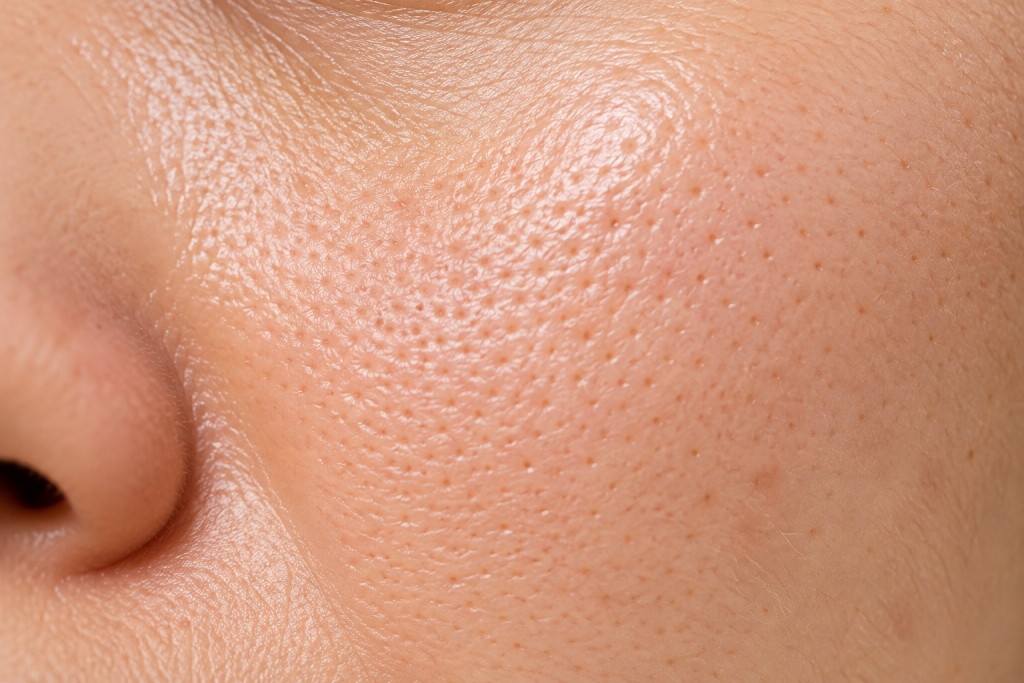
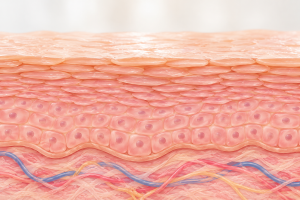
Pores are visible openings on the surface of the skin associated with hair follicles and sebaceous glands.
Sebaceous glands produce sebum, an oily substance that helps maintain the skin’s natural barrier. Because facial skin contains many sebaceous glands, pores can be particularly noticeable on areas such as the nose, forehead and cheeks.
Importantly, pores are a normal part of healthy skin.
The goal of skincare or aesthetic treatment is therefore not necessarily to make pores disappear, but rather to reduce their visible appearance and improve overall skin texture.
A review of the medical literature identifies three major factors associated with enlarged facial pores:
- Increased sebum production
- Reduced elasticity around the pore
- Increased hair follicle volume
Acne, hormones, ageing and skincare habits may also influence how noticeable pores appear.
Can You Really Shrink Pores?
The short answer: not permanently
The phrase “pore shrinking” is commonly used in skincare, but it can be misleading.
Pores do not have muscles that can simply open and close like doors. Instead, their apparent size can change depending on factors such as oil production, congestion, inflammation, skin elasticity and the condition of the surrounding skin.
This means that when people talk about reducing pores, they are generally referring to making pores look smaller or less noticeable, rather than permanently eliminating them.
For example, if excess oil and dead skin cells make a pore appear more prominent, improving congestion may make the pore look less visible. Similarly, if reduced skin firmness makes pores appear stretched, treatments that improve the appearance of skin texture and elasticity may make them less noticeable.
Research also suggests that enlarged pores are multifactorial, meaning several contributing factors can exist at the same time.
Why Do Pores Look Bigger?
How to Reduce Pores at Home
If you want to make pores look less noticeable, you do not necessarily need a complicated skincare routine. The fundamentals are often about keeping the skin clean, balanced, hydrated and protected from UV exposure.
For DR HAACH, we recommend looking at pore appearance as part of overall skin condition rather than trying to aggressively “shrink” pores.
A Simple Daily Routine for More Refined-Looking Skin
1. Cleanse Gently
Start with a gentle cleanser to remove excess oil, sunscreen, makeup and daily impurities without unnecessarily stripping the skin.
Avoid aggressive scrubbing or cleansing too frequently. Excessive friction and irritation can leave the skin feeling dry or uncomfortable and may make uneven texture more noticeable.
2. Use Targeted Ingredients for Congested Skin
If excess oil and clogged pores are contributing to visible pores, ingredients such as salicylic acid may be considered.
Salicylic acid can help exfoliate dead skin cells and clear blocked pores. However, more exfoliation does not necessarily mean better results. Using strong exfoliating products too frequently may lead to dryness, redness or irritation.
If your skin is sensitive or easily irritated, introduce active ingredients gradually and consider professional advice when needed.
3. Keep Skin Hydrated and Support the Skin Barrier
Hydration remains important even if your skin is oily.
Instead of trying to remove all traces of oil, choose skincare that helps maintain a comfortable balance between cleansing and hydration.
This is where a simple skincare system can be useful.
As part of the DR HAACH DermaCell Renewal Series, the DermaCell Renewal Activating Base can be incorporated into a daily skincare routine as a preparatory step before subsequent skincare products.
Rather than treating it as a standalone “pore-shrinking” product, the focus is on maintaining a consistent skincare routine that supports the overall appearance and condition of the skin.
4. Choose Products That Suit Your Skin
If you are prone to oily or congested skin, look for skincare and makeup products that are appropriate for your skin type and, where relevant, labelled non-comedogenic.
Using fewer but more suitable products can sometimes be more practical than layering multiple strong active ingredients.
A consistent routine that your skin tolerates is generally more sustainable than frequently switching between aggressive products.
5. Protect Your Skin From UV Exposure
Do not overlook sunscreen.
Daily broad-spectrum sunscreen with at least SPF 30 can help protect the skin from UV exposure, which contributes to premature skin ageing and changes in skin structure over time.
For Singapore’s climate, choose a sunscreen that feels comfortable enough for everyday use and remember to reapply when appropriate, particularly with prolonged outdoor exposure, sweating or swimming.
Where Does DermaCell Fit Into the Routine?
A basic routine can be kept simple:
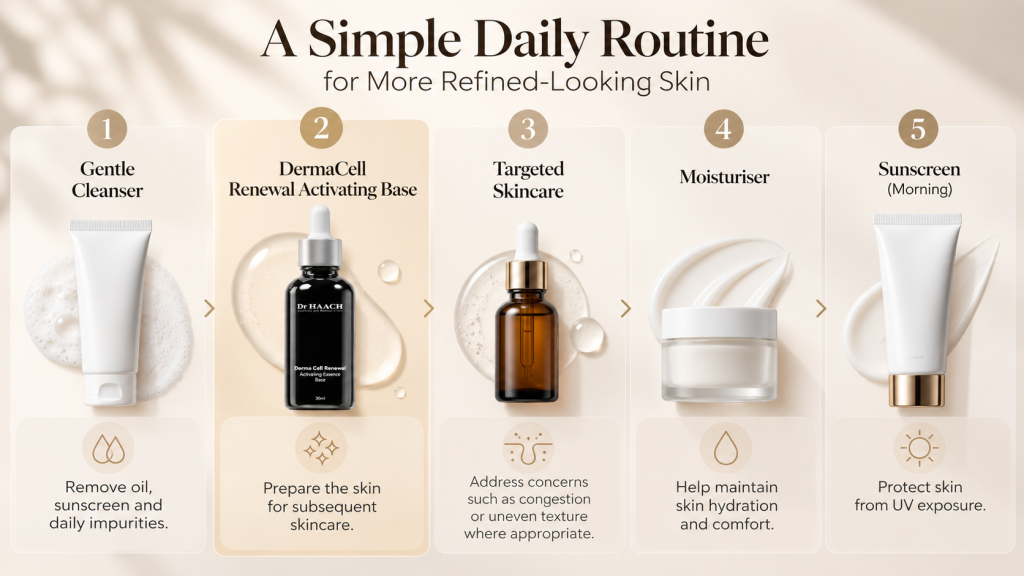
The important point is that DermaCell is part of the overall skincare routine, not a replacement for cleansing, moisturising or sun protection.
And when it comes to visible pores, consistency matters. The goal is not to create “poreless” skin, but to support skin that looks smoother, more balanced and well cared for.
What About Retinoids?
Retinoids are another ingredient that may be considered when addressing acne, clogged pores and changes in skin texture.
For example, topical tretinoin is a prescription medication used to treat acne and works by helping clear blocked pores.
Some over-the-counter skincare products contain retinol, a less potent retinoid derivative.
However, retinoid products can cause dryness, peeling, redness or irritation, particularly when first introduced.
They are also not suitable for everyone. For example, HealthHub advises people who are pregnant, planning pregnancy or breastfeeding to discuss topical tretinoin use with a healthcare professional.
If you are considering a retinoid specifically for pore appearance, it is sensible to discuss your skin concerns and medical history with a qualified professional first.
Can Facial Treatments Reduce the Appearance of Pores?
For some people, skincare alone may not provide the level of improvement they are looking for.
Professional aesthetic treatments may be considered depending on the factors contributing to visible pores.
The available evidence includes several approaches, including chemical peels, topical retinoids, laser-based treatments and other energy-based procedures. However, results vary between individuals and treatment types.
A 2023 review of clinical trials found that multiple treatment modalities have been studied for reducing facial pore size and number, with combination approaches sometimes showing greater improvement. Mild and temporary effects such as burning and redness were among the reported adverse effects.
This does not mean that everyone needs an aesthetic procedure.
The appropriate approach depends on factors such as:
- Skin type
- Sebum production
- Acne or congestion
- Skin texture
- Degree of photoageing
- Skin sensitivity
- Previous treatments
- Individual expectations
Professional Options for Visible Pores
化学换肤
Chemical peels use a controlled chemical solution to exfoliate layers of the skin.
Depending on the formulation and concentration, chemical peels may be used to address concerns such as acne, congestion, uneven texture and some forms of pigmentation.
At DR HAACH, our Chemical Peel treatment is performed as an in-clinic procedure and is customised according to individual skin needs.
A professional assessment is important because not every peel is suitable for every skin type.
碳激光焕肤
Carbon laser treatments are another option that may be considered for people concerned about oily, congested skin and visible pores.
At DR HAACH, our Carbon Laser Peel is designed to address concerns including excess oil, congestion, dead skin cells and the appearance of enlarged pores.
The treatment involves applying a carbon preparation before laser treatment. The procedure is intended to exfoliate the skin and help remove surface impurities.
It is important to understand that this does not mean the treatment permanently “closes” pores. Rather, the aim is to improve the overall appearance and texture of the skin.
Laser-Based Treatments
Certain laser technologies have also been studied for enlarged facial pores.
Clinical research involving fractional lasers and other laser modalities has reported improvements in the appearance of enlarged pores in selected groups of patients. However, study designs, laser settings, treatment schedules and patient characteristics differ, so results from one study cannot automatically be applied to every individual.
At DR HAACH, our doctors may consider laser-based options according to the individual’s skin concerns and treatment suitability.
Our Pro Laser is one of the laser options listed by DR HAACH for concerns including skin texture and enlarged pores.
What About “Pore-Tightening” Skincare Products?
You may have seen products marketed as “pore tightening”, “pore minimising” or “pore shrinking”.
These terms generally describe the appearance of pores rather than a permanent anatomical change.
A product may make pores look less obvious by:
- Reducing excess surface oil
- Removing accumulated dead skin cells
- Improving skin hydration
- Smoothing uneven texture
- Supporting the skin’s overall appearance
However, no skincare product should be expected to permanently eliminate normal pores.
This is why we recommend looking beyond the label and considering what the product actually contains and what skin concern it is designed to address.
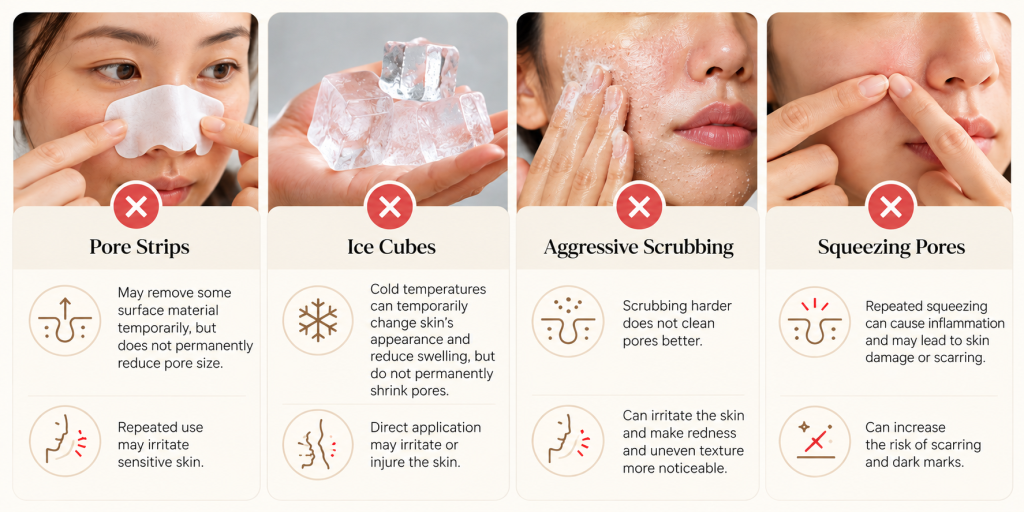
What Does Not Help With Large Pores?
A Simple Pore-Care Routine for Singapore Skin
A practical routine does not need to contain ten different products.
Morning
- Gentle cleanser
Remove overnight oil and impurities without aggressively stripping the skin.
- Lightweight moisturiser
Choose a formulation appropriate for your skin type.
- Broad-spectrum sunscreen
Use at least SPF 30 and apply adequately to exposed skin.
Evening
- Cleanse
Remove sunscreen, makeup, oil and daily buildup.
- Targeted active
Depending on your skin concerns, this might include an appropriate exfoliating ingredient or retinoid. Introduce active ingredients gradually rather than using several strong products simultaneously.
- Moisturiser
Support the skin barrier and reduce excessive dryness.
If you have persistent acne, significant irritation or concerns about skin texture, professional assessment may be more appropriate than continuously adding new products.
How to Reduce Pores: What Can You Realistically Expect?
The most realistic goal is less visible pores, not poreless skin.
Your results will depend on why your pores appear enlarged in the first place.
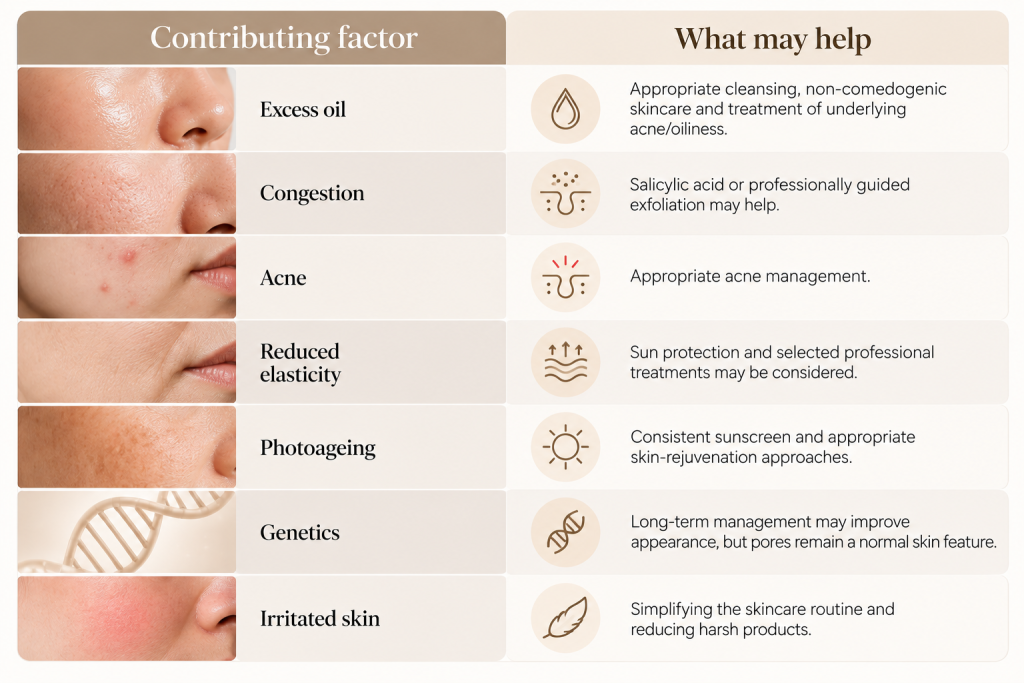
Because enlarged pores have multiple potential causes, treatment needs to be individualised rather than based on pore size alone.
When Should You Consider Professional Advice?
Visible pores are usually a cosmetic concern rather than a medical problem.
However, professional advice may be useful if your enlarged pores occur together with:
- Persistent acne
- Frequent blackheads or whiteheads
- Significant skin sensitivity
- Persistent redness or irritation
- Acne scarring
- Sudden changes in skin appearance
- Skin concerns that have not improved despite a consistent routine
A professional can help distinguish whether the main concern is oiliness, congestion, acne, texture, pigmentation, photoageing or another skin issue.
At DR HAACH, our approach is to assess the individual’s skin concerns before discussing whether an aesthetic treatment is appropriate. You can contact DR HAACH to enquire about a consultation.
Frequently Asked Questions About Reducing Pores
Can you permanently shrink pores?
Not in the literal sense. Pores are normal openings associated with hair follicles and sebaceous glands. However, skincare and selected professional treatments may make pores appear less noticeable by addressing factors such as oiliness, congestion, skin texture and reduced elasticity.
What is the best way to reduce pores?
There is no single method that is appropriate for everyone. A gentle skincare routine, non-comedogenic products, appropriate exfoliation, daily sun protection and treatment of underlying acne or oiliness can help improve the appearance of pores. Professional treatments may also be considered depending on individual skin characteristics.
Does cold water shrink pores?
Cold water may temporarily alter how the skin looks or feels, but it does not permanently reduce pore size.
Does drinking more water shrink pores?
Maintaining adequate hydration is important for general health and skin function, but there is not enough evidence to say that simply drinking more water permanently shrinks facial pores.
Does salicylic acid reduce pore size?
Salicylic acid can help exfoliate dead skin cells and clear blocked pores. This may make pores appear less noticeable, particularly when congestion contributes to their appearance. HealthHub lists salicylic acid among topical preparations used to help clear blocked pores.
Can retinol reduce the appearance of pores?
Retinoid-based products may help address acne, clogged pores and changes in skin texture. However, they can cause irritation and are not suitable for everyone. Prescription retinoids such as tretinoin should be used according to medical advice.
Does sunscreen help with large pores?
Sunscreen does not directly shrink pores, but protecting the skin from UV exposure can help reduce photoageing and loss of skin firmness, both of which may contribute to more noticeable pores. HealthHub recommends broad-spectrum sunscreen with at least SPF 30.
Are large pores caused by dirty skin?
Not necessarily. Pore visibility can be influenced by sebum production, genetics, follicle size, skin elasticity, acne, ageing and other factors. Having visible pores does not mean your skin is dirty.
Can laser treatment reduce the appearance of pores?
Some laser-based treatments have been studied for enlarged facial pores, with clinical studies reporting improvements in selected patients. However, outcomes depend on the specific technology, settings, treatment protocol and individual skin characteristics.
The Bottom Line: Can You Really Shrink Pores?
You cannot permanently erase or “close” normal skin pores, but you can often make them appear less noticeable.
The most useful approach is to identify what is making your pores look larger in the first place.
For some people, that may be excess sebum or congestion. For others, it may be acne, sun exposure, reduced skin elasticity or natural skin characteristics.
A consistent routine built around gentle cleansing, appropriate active ingredients, hydration and daily sun protection is a sensible starting point.
If you continue to be concerned about visible pores despite a consistent skincare routine, professional assessment can help determine whether treatments such as chemical peels, carbon laser treatments or other laser-based approaches may be appropriate for your skin.
At DR HAACH, we believe pore concerns should be approached as part of the bigger picture of skin health and texture rather than treated based on appearance alone. Our doctors can assess your individual skin concerns and discuss suitable options where appropriate.
Want to understand what may be contributing to your visible pores?
Contact DR HAACH to enquire about a consultation.
参考文献
- HealthHub Singapore — Sunscreens
- HealthHub Singapore — Acne
- HealthHub Singapore — Topical Acne Preparations
- PubMed — Facial Pores: Definition, Causes, and Treatment Options
- PubMed — Enlarged Facial Pores: An Update on Treatments
- PubMed — The Efficacy and Adverse Effects of Treatment Options for Facial Pores: A Review Article